
Blog

Questions our customers ask

From "screw piles or concrete?" to "why is my wall cracking?": answers to what we hear every week, with photos from our own sites.

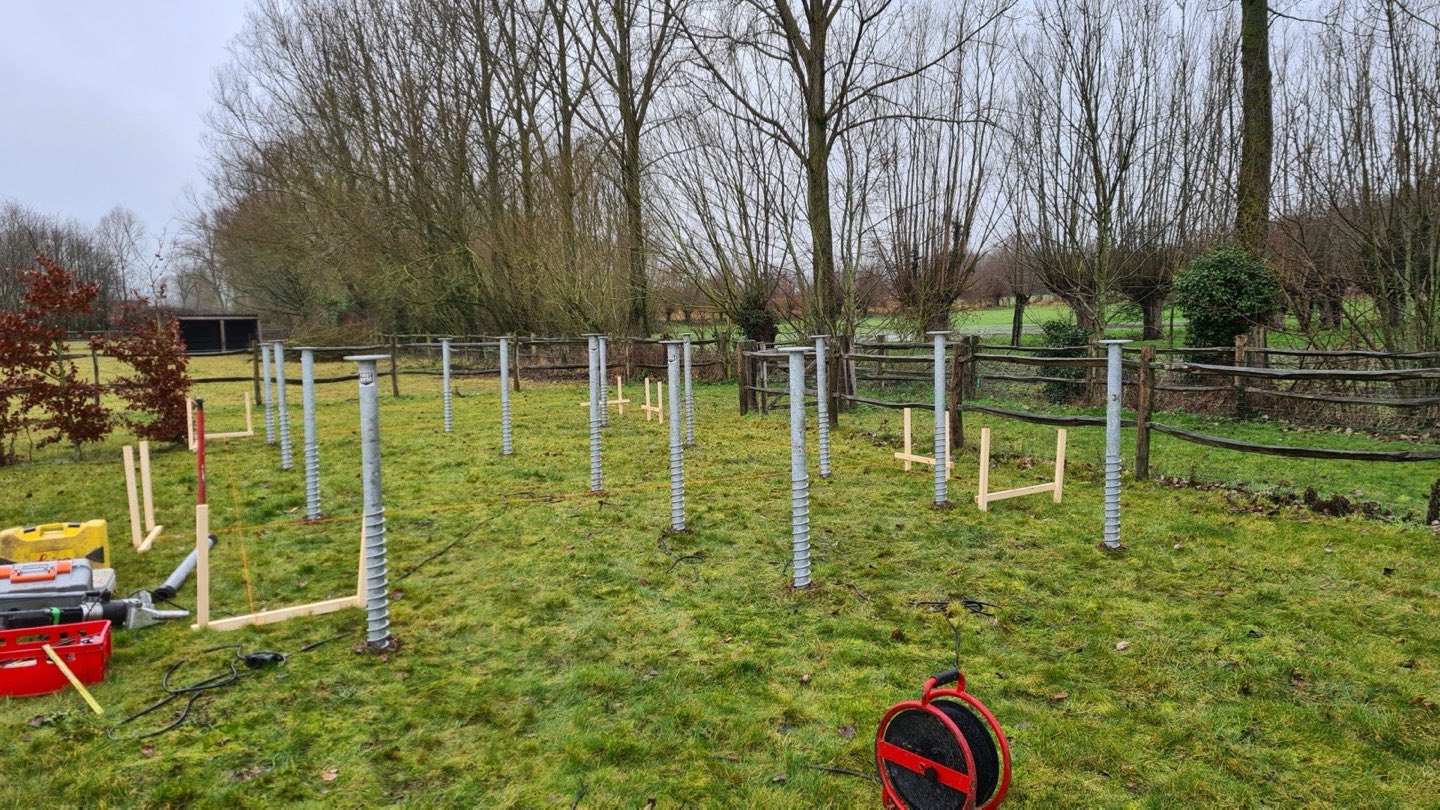
Grid of installed screw piles in a lawn
Foundations

Screw piles or concrete: which is better for a garden shed, terrace or extension?

A concrete foundation needs excavation, formwork, reinforcement and a few weeks of curing. A screw pile is screwed into the ground and can be loaded immediately: you carry on building the same day.

On top of that there is hardly any site waste, no excavated soil to remove and your garden stays largely intact. Screw piles can also be dismantled and reused, and produce 60 to 80% less CO₂ than a concrete foundation.

Concrete still makes sense for a basement or a heavy masonry house on good ground. For terraces, garden sheds, carports, garden offices, modular homes and extensions, a screw pile foundation is almost always faster, cleaner and often cheaper.

Work out how many piles you need

↑ Back to all questions

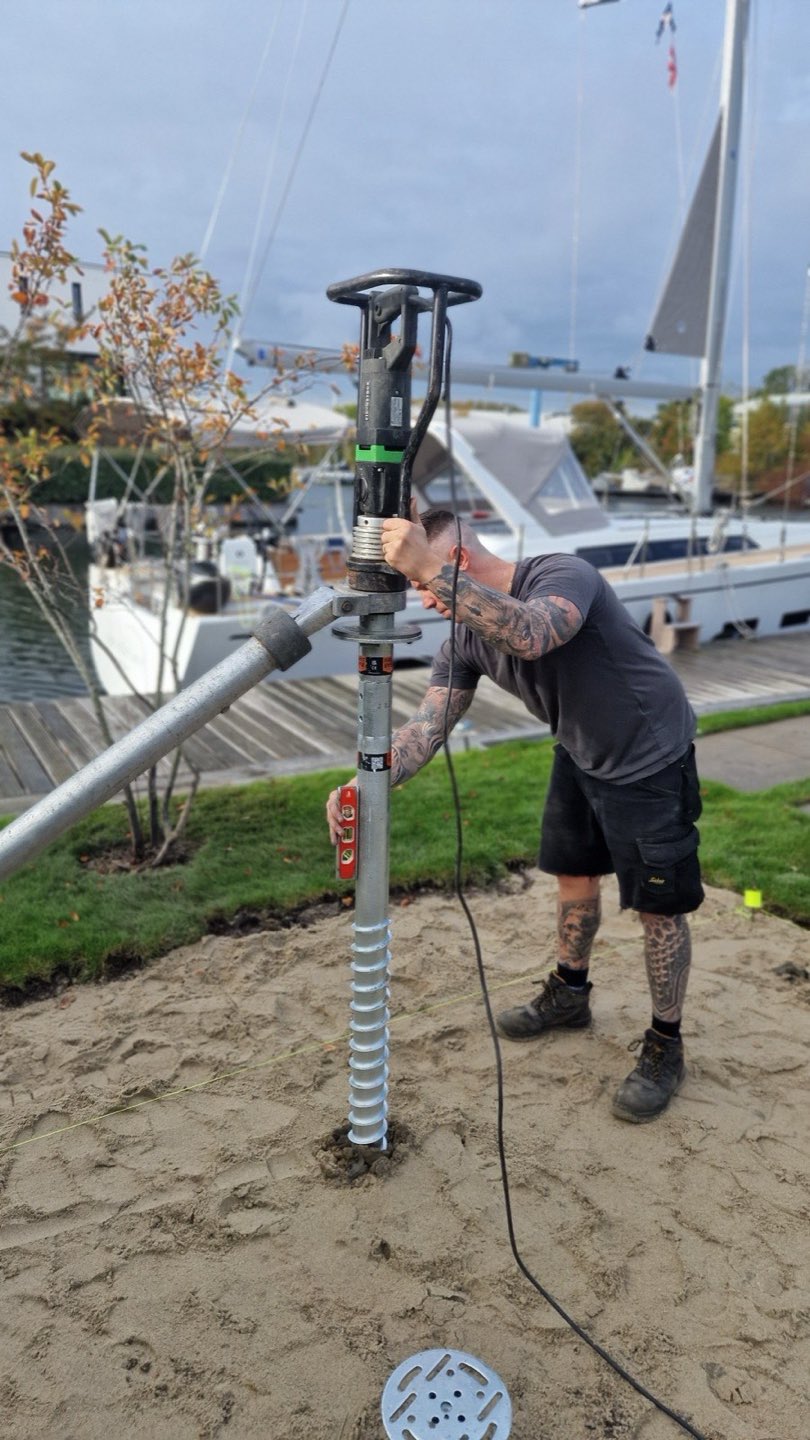
Team member installing a ground screw by hand
Foundations

Ground screw or screw pile: what is the difference?

A ground screw is a shorter screw (usually 1.2 to 3 m) with a continuous thread. It is ideal for light structures such as terraces, pergolas, carports and garden sheds, and can be installed by hand or with a compact machine.

A screw pile has one or more helices and can go many metres deep with extensions, down to a load-bearing layer. We use them to found homes, modular buildings, bridges and battery parks.

Which one you need depends on the weight of your structure and on the soil. Our pile calculator first proposes ground screws for light structures and switches to screw piles when the load or the soil calls for it.

Go to the pile calculator

↑ Back to all questions

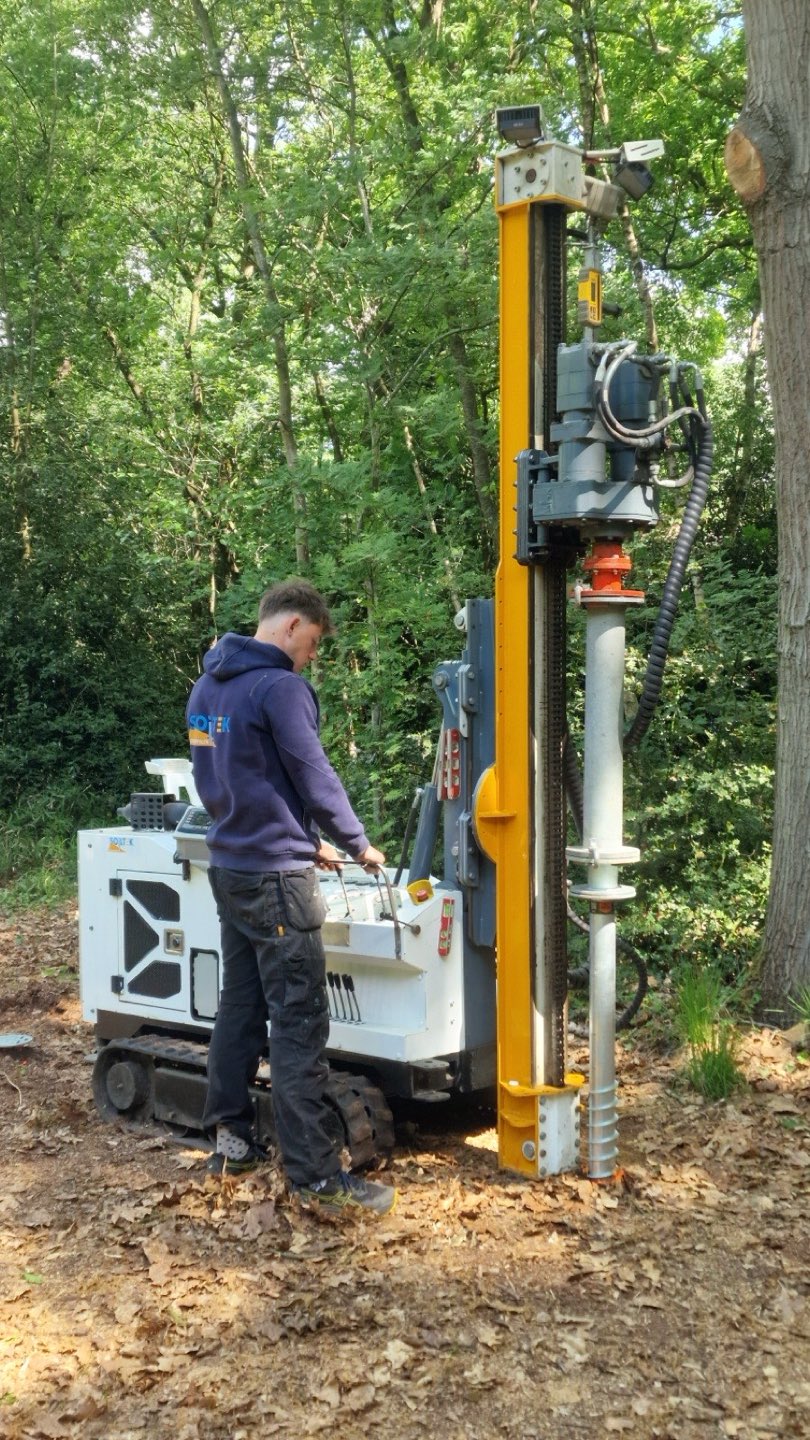
Compact tracked machine screwing a pile in among the trees
Technique

How deep does a screw pile go, and how do you know it will hold?

At least below the frost line, and further until the helix sits in a layer that can carry the load. For light structures that is often 1.2 to 2 m; for homes or soft ground sometimes 6, 10 or even 15 m.

During installation we measure the torque. The stiffer the ground, the more force the machine needs. That installation torque is directly related to the bearing capacity: this is how we check for every pile that the design is achieved.

For larger projects we also start from a CPT sounding, so we know in advance at what depth the load-bearing layers lie.

↑ Back to all questions

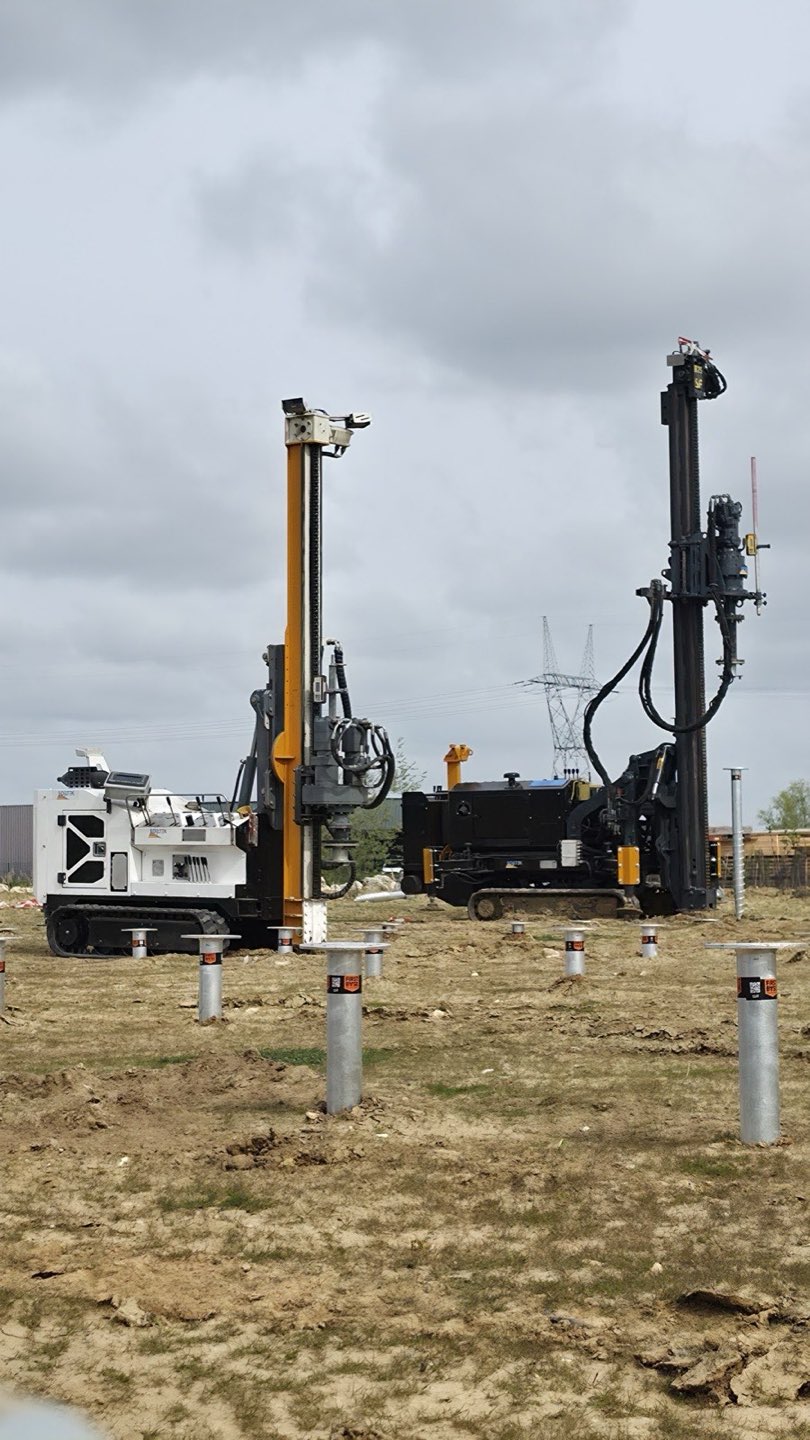
Two piling machines in a field with installed piles
Technique

What is a CPT sounding, and do I need one?

In a cone penetration test (CPT) we push a cone into the ground and continuously measure the resistance. That shows layer by layer whether there is sand, clay, loam or peat, and where the load-bearing ground begins.

For a terrace or garden shed a sounding is rarely needed: the installation torque of the screws gives enough certainty. For homes, modular buildings, bridges or battery parks it is strongly recommended, and often required by the structural engineer.

In Flanders, many soundings are also available in the DOV database. Sometimes it is enough to consult those first.

Ask for advice on your project

↑ Back to all questions

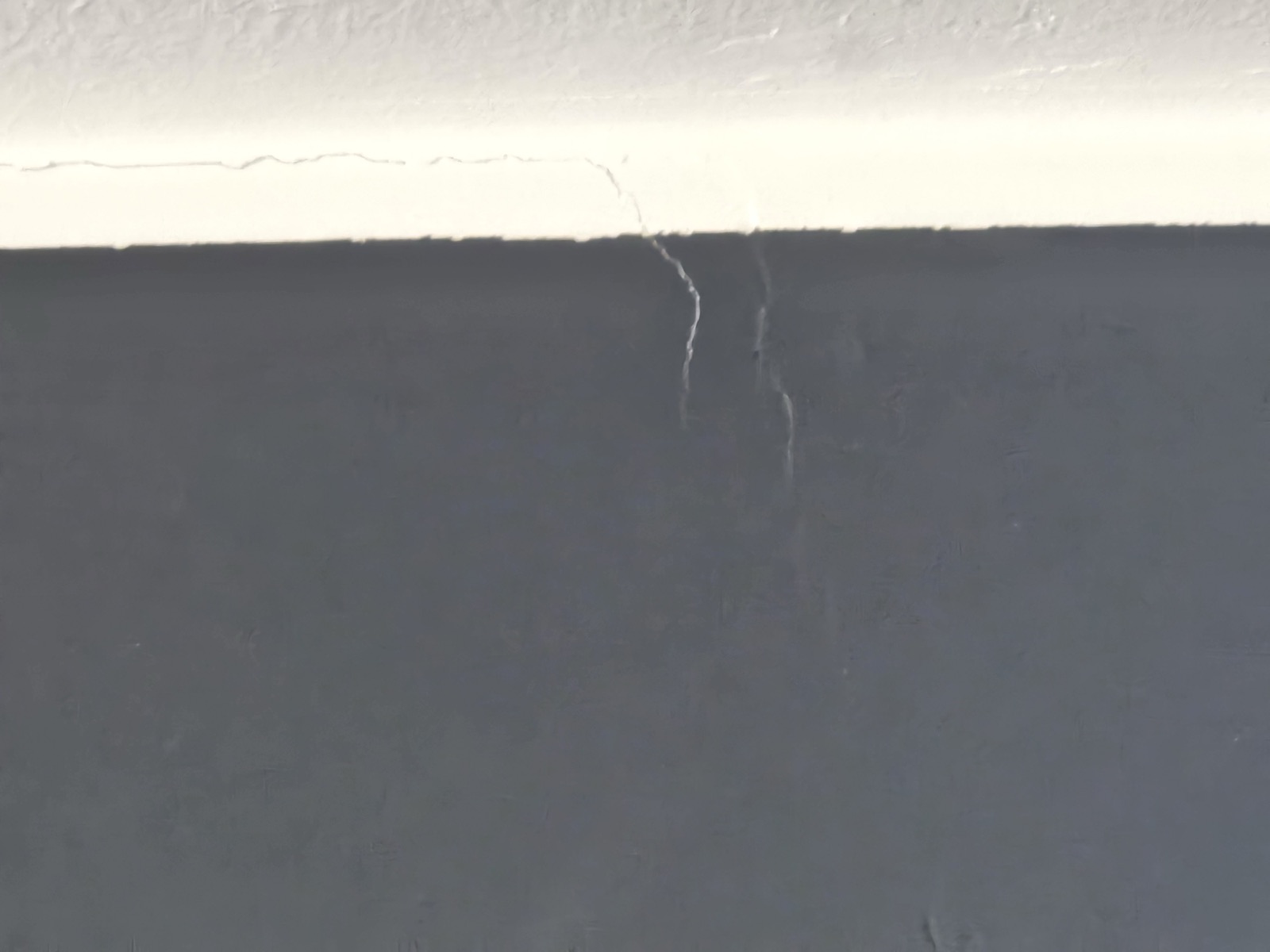
Crack in an interior wall below the ceiling
Foundation repair

My wall is cracking: is it a foundation problem?

Not every crack means your foundation is subsiding. Hairline cracks in plaster are often caused by shrinkage or temperature changes. Watch out for stepped cracks in brickwork, cracks that keep widening, doors or windows that stick and floors that slope.

Typical causes of subsidence are drought in clay soil, a leaking sewer or rainwater drain, trees close to the house and construction work nearby.

In a subsidence survey we look at the crack pattern, the soil and the existing foundation. Only then do we recommend a technique, or sometimes simply monitoring with crack gauges.

Report your cracks through the repair form

↑ Back to all questions

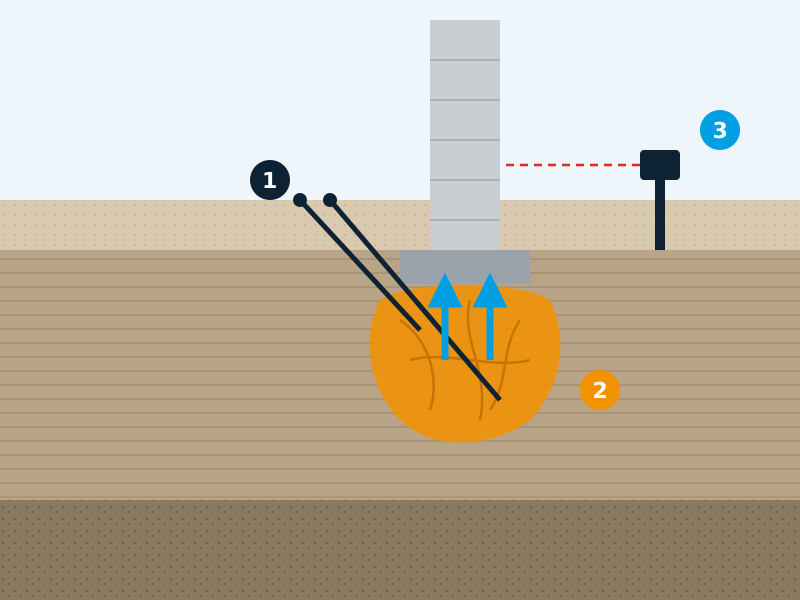
Diagram of expanding resin under a foundation
Foundation repair

Push piers or expanding resin: which repair method suits my home?

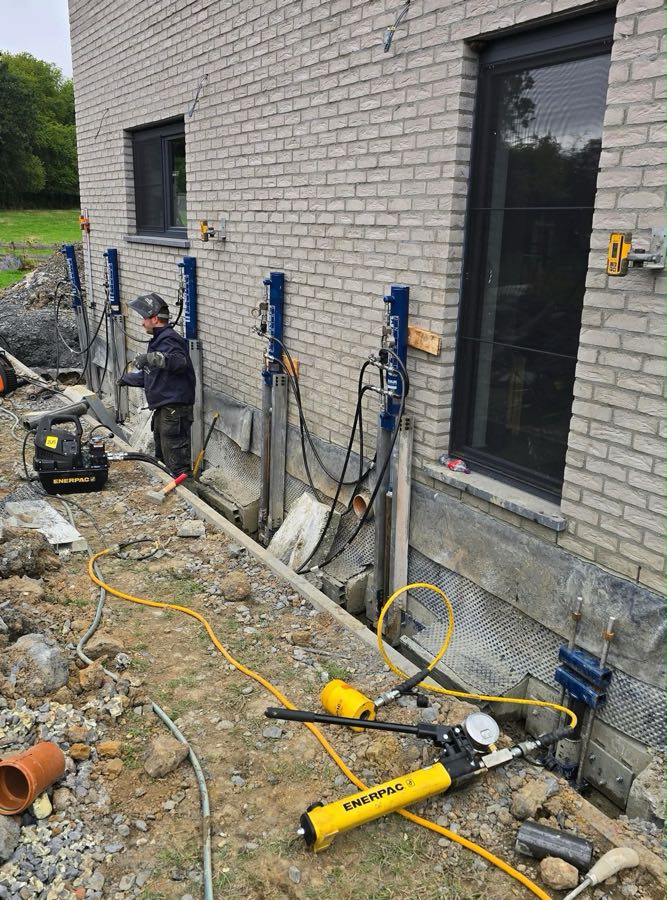
With Magnum Push Piers we hydraulically push steel piers under your foundation, down to a deep load-bearing layer. Each pier is tested individually. This is the solution when good ground lies deep or the walls have subsided badly.

With expanding resin (Soiltek Deep Lift) we strengthen the ground itself. Through 12 to 16 mm holes we inject a resin that expands, fills voids and compacts the soil, under continuous laser monitoring. There is no excavation and the load stays evenly spread.

Sometimes we combine both: first stabilise the ground with resin, then push piers, as in Erquelinnes.

View the Erquelinnes project

↑ Back to all questions

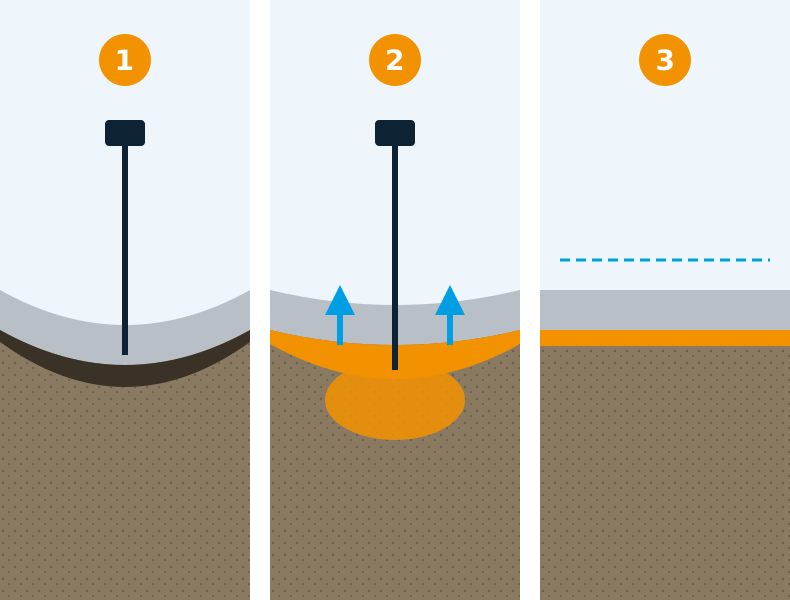
Three-step diagram: injection, expansion, floor back to level
Foundation repair

Can a sunken concrete floor be levelled again?

Yes, usually without breaking out the floor. With Soiltek Slab Lift we drill 12 mm holes every 1 to 2 m and inject an expanding resin under the floor. It first fills the voids and then lifts the floor under control, where the structure allows it.

The resin reaches 90% of its final strength after about 15 minutes, so the floor can be used again straight away. An industrial floor of ± 120 m² can be treated in one working day.

Important: have the sewer and drain pipes checked first. A leak is often the cause of the subsidence.

Request a quote for your floor

↑ Back to all questions

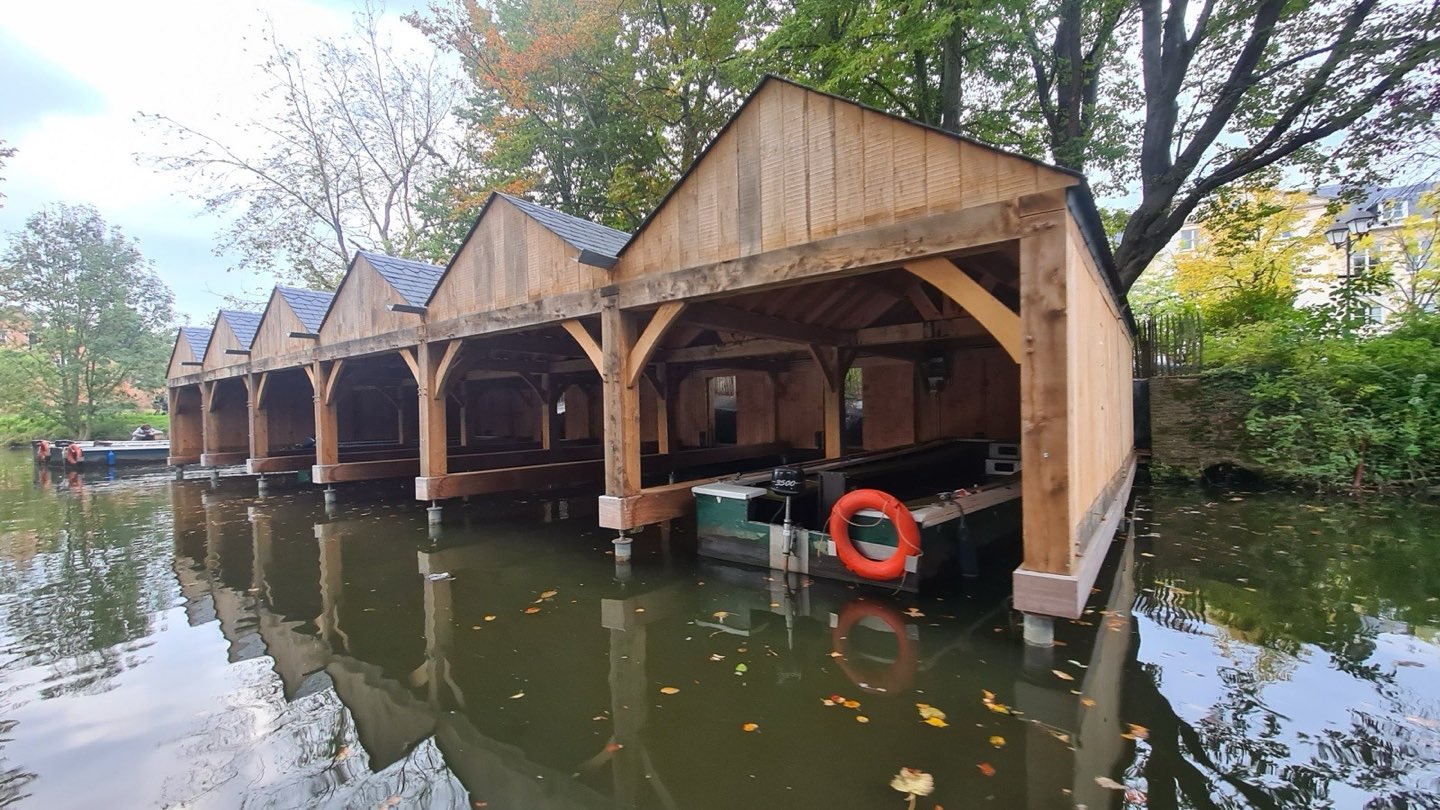
Boathouse on screw piles by the water in Lier
Soil

Can screw piles go into clay, peat or waterlogged ground?

Yes, and that is exactly where they excel. In soft ground we simply screw the pile deeper, down to a layer that does carry the load. With extensions that can be many metres deep.

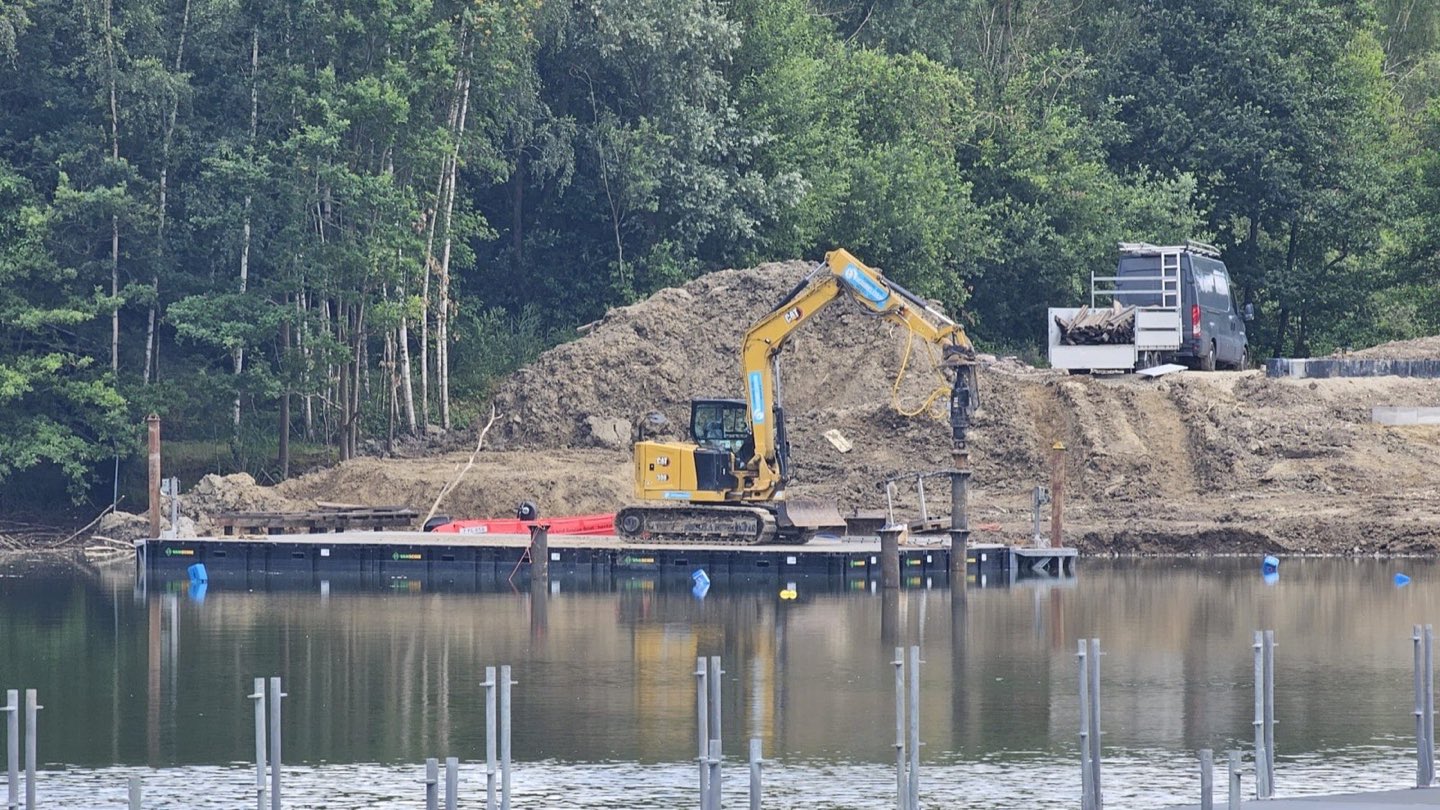
We also work with screw piles next to and in the water: from a boathouse in Lier and jetties in garden ponds to piles installed from a floating pontoon for Tomorrowland. No dewatering is needed and no concrete ends up in the water.

In very soft ground we sometimes deliberately choose a pile that settles with the ground, so your structure does not end up sticking out above ground level.

View our waterside projects

↑ Back to all questions

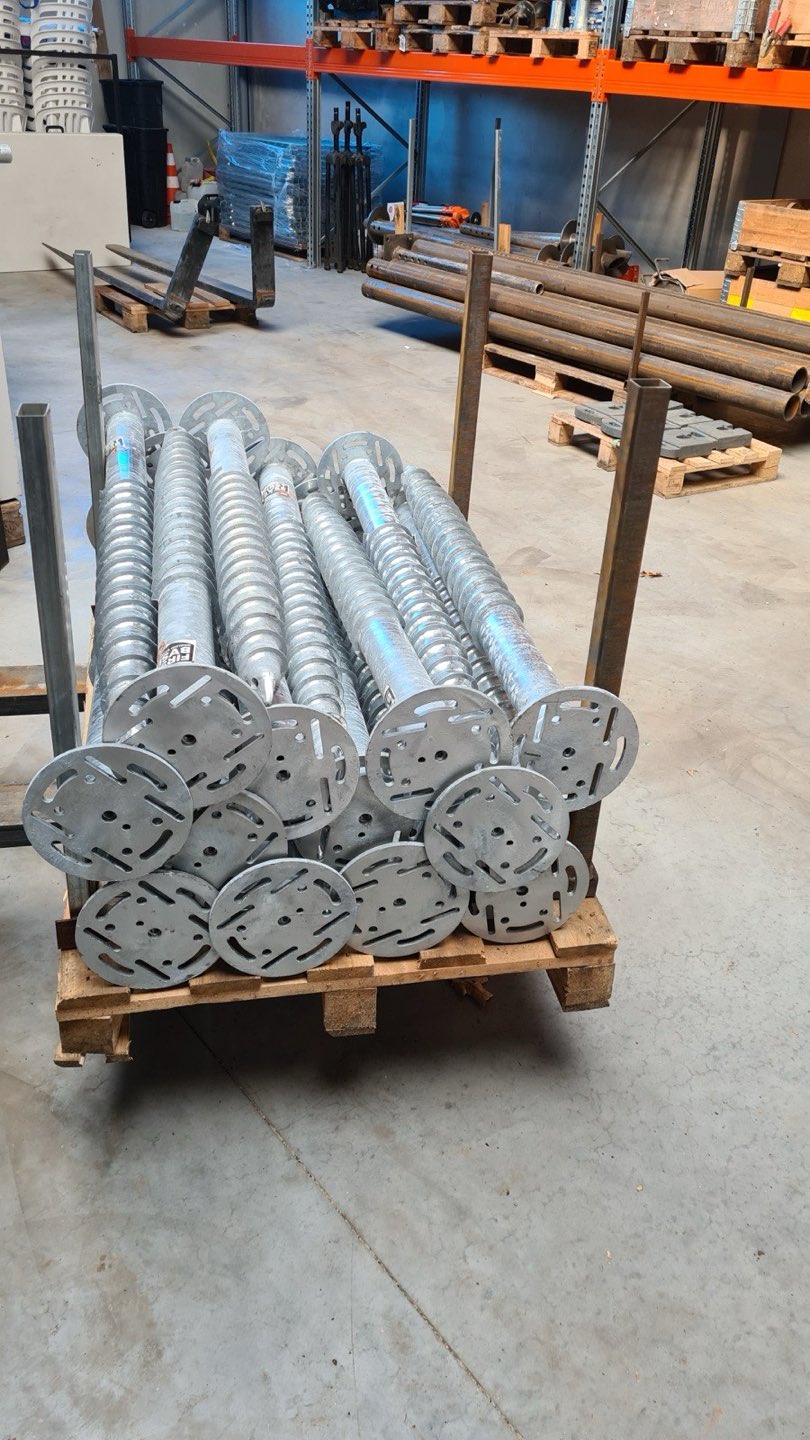
Pallet of galvanised screw piles in the warehouse
Sustainability

How long do screw piles last?

Our piles are made of hot-dip galvanised steel. Their service life depends mainly on the soil: in ordinary ground we count on decades. The manufacturer of our screw piles guarantees them for up to 100 years.

When choosing the pile we account for corrosion according to the European standard for steel piles (EN 1993-5): the wall thickness left at the end of the service life must still be sufficient.

In very aggressive soil, such as peat with fluctuating groundwater, we choose a thicker wall or additional protection.

↑ Back to all questions

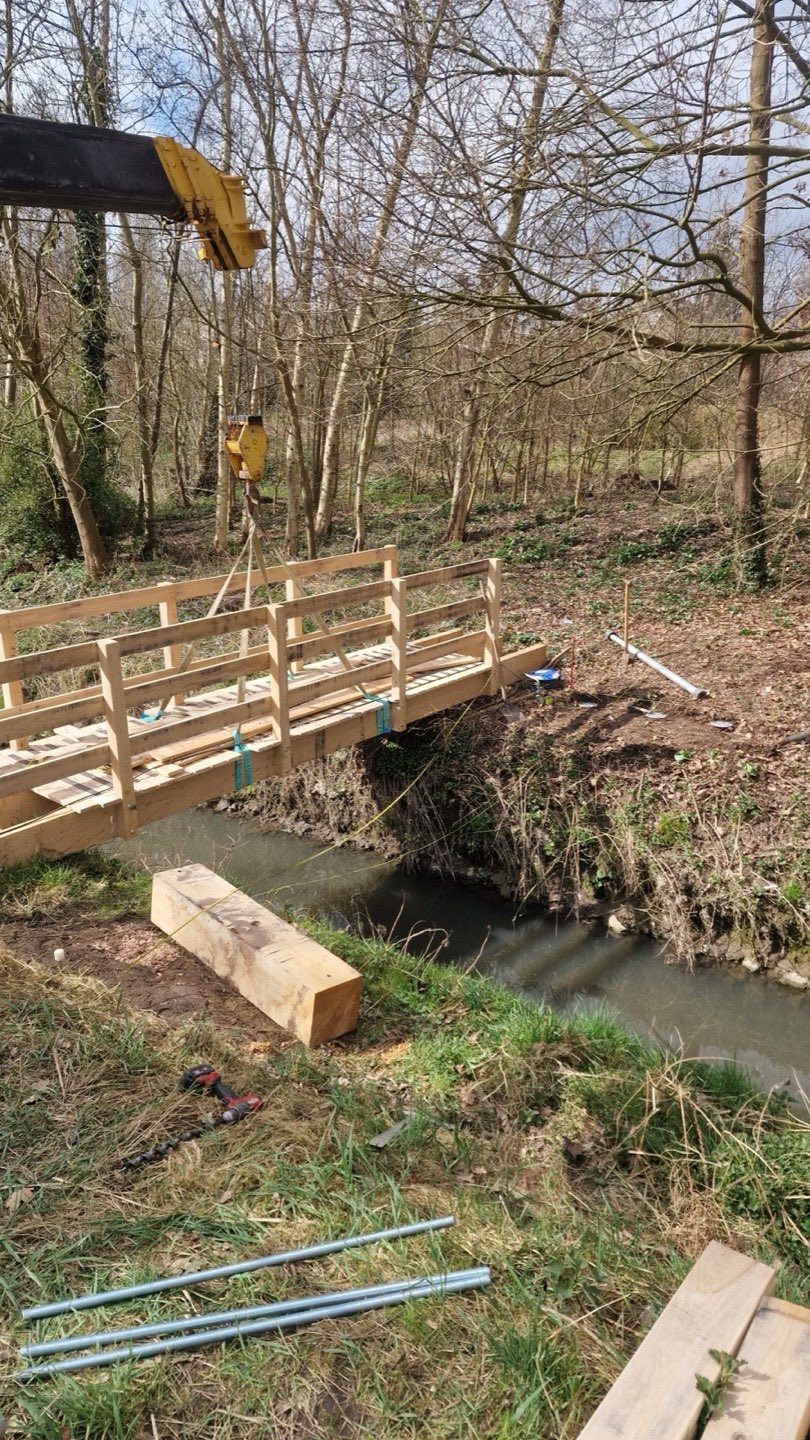
Timber footbridge over a stream on screw piles
Sustainability

Are screw piles better for the environment than concrete?

Yes. A screw pile foundation produces 60 to 80% less CO₂ than a conventional concrete foundation. No cement is needed, there is no excavated soil to remove and no site waste.

The piles can also be dismantled and the steel is fully recyclable. That makes them ideal for temporary structures, such as festival stages, and for sensitive natural sites, such as Cycling through the Trees in Hechtel-Eksel.

Our expanding resin is also CFC- and formaldehyde-free and may even be used in water catchment areas.

↑ Back to all questions

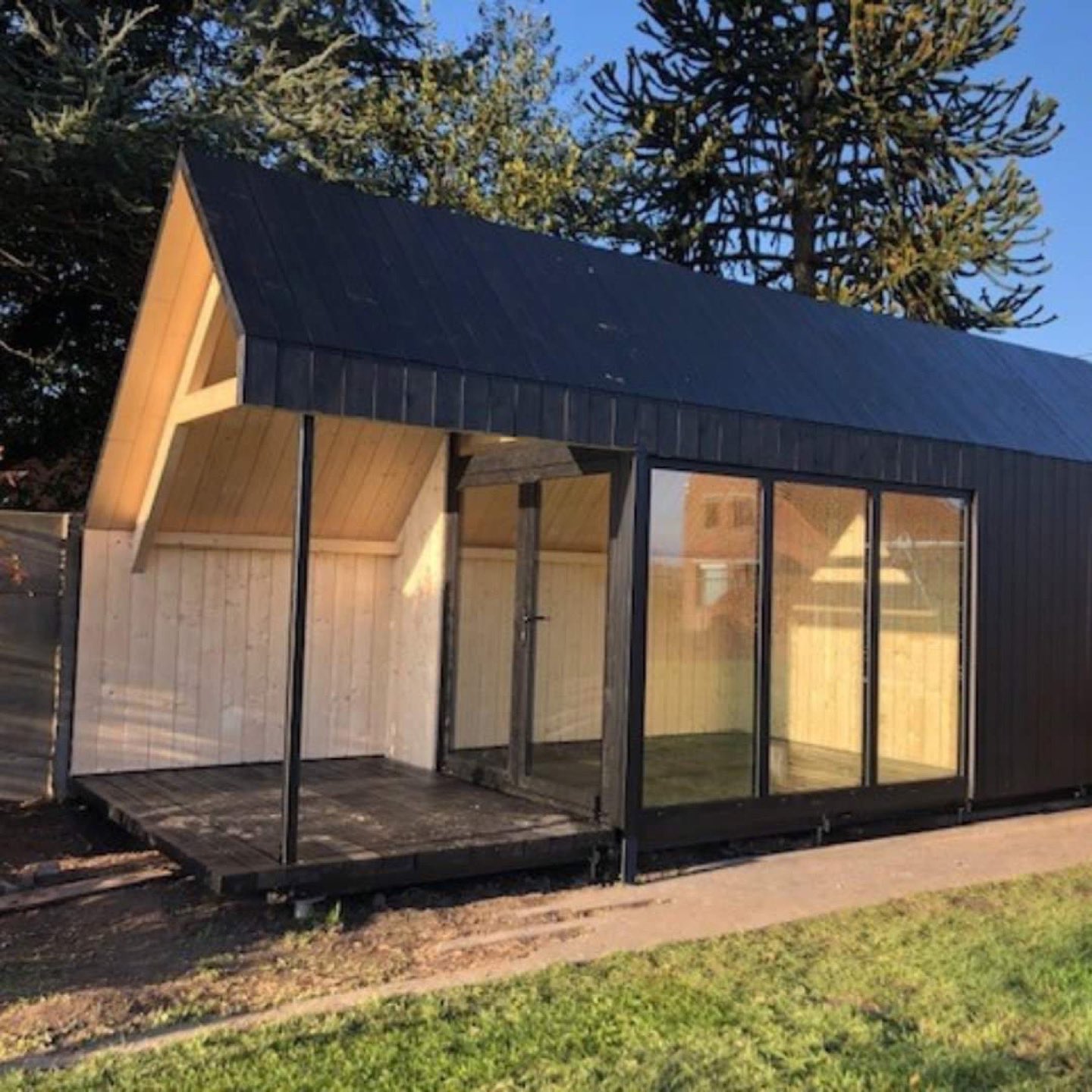
Finished garden office on screw piles
Cost

What does a screw pile foundation cost?

The price depends on the number of piles or screws, their length and type, site access and whether you install them yourself or have us install them.

For smaller projects a screw foundation is often cheaper than concrete, because excavation, soil removal, formwork and waiting time disappear. On larger projects it is mainly the speed that makes the difference: no weeks of curing time in your schedule.

The pile calculator gives you an indication of the number of piles in one minute. After that we prepare a tailored quote.

Start the pile calculator

↑ Back to all questions

Is your question not listed?

Just ask. We reply within two working days. Engineer? Download our free e-book on screw piles to Eurocode 7 (Dutch).

Ask your question